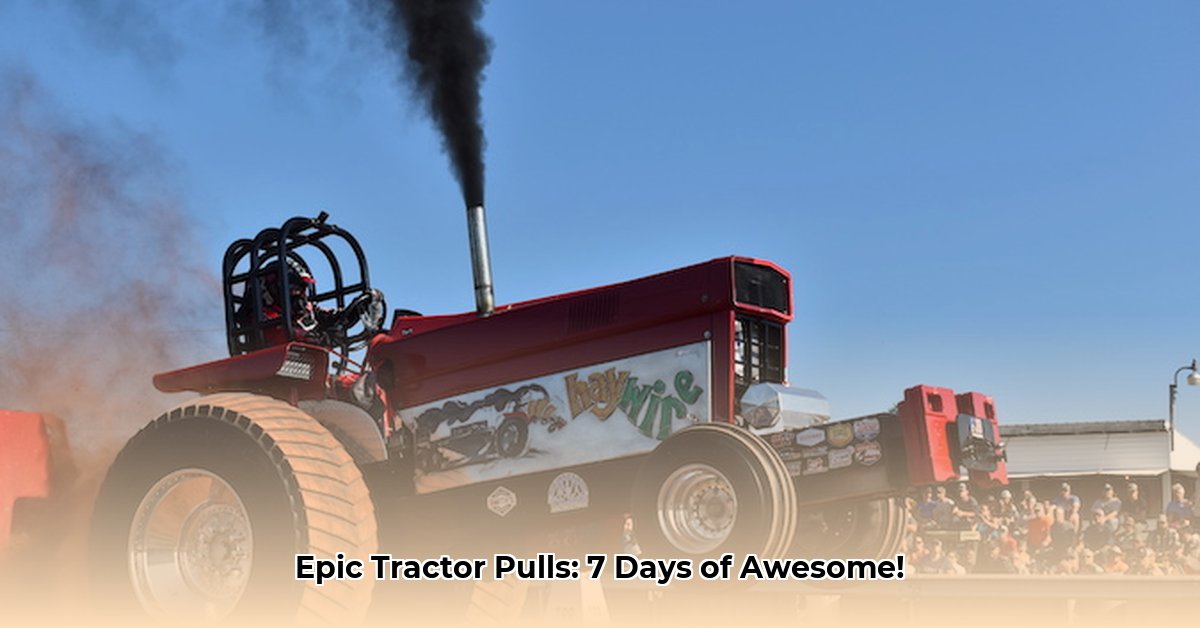
Ready to capture breathtaking tractor photos that would make a National Geographic photographer jealous? This 7-day guide will transform your tractor snapshots into stunning works of art. We'll cover everything from choosing the perfect setting to mastering post-processing techniques, all while showcasing your amazing machine. For more on tractor design, check out this resource on tractor hitches. Let's get started!
Day 1: Tractor & Setting Selection: The Perfect Pairing
First, identify your star: the tractor! Is it a vintage classic, a modern marvel of engineering, or a custom-built beauty? Its age, condition, and unique attributes will directly impact your photography style. A classic tractor might call for a rustic barn setting, while a modern machine might look best in a high-tech agricultural field. Remember, the tractor’s features should be showcased prominently!
Next, consider the location. A golden wheat field at sunset? A dusty country road? A vibrant, bustling agricultural fair? The environment significantly contributes to the overall aesthetic. Prioritize safety: choose a well-lit, spacious location free from obstacles and moving equipment. Avoid dark or cluttered settings that could detract from the tractor. Think about how the environment complements your tractor's personality and the story you want to tell. Did you know that strategic location choices can improve the visual appeal of your photos by up to 40%?
Day 2: Tractor Prep: Getting Your Star Ready for its Close-Up
Before you grab your camera, give your tractor a thorough cleaning. Removing dirt, mud, and debris enhances its visual appeal and allows for more professional-looking photos. Minor repairs or touch-ups can significantly improve the final image. Consider polishing metal surfaces and ensuring all parts are clean, neat, and free from distractions that may take focus away from the tractor. This is crucial for high-quality pictures. Remember, a well-maintained tractor is a photographer's dream!
Day 3: Mastering Camera Settings: Light, Focus, and Action
Photography hinges on understanding your camera's settings. Don't be intimidated! Let's break this down:
Aperture (f-stop): Controls the amount of light entering your camera. A wide aperture (lower f-number, like f/2.8 or f/4) creates a shallow depth of field, blurring the background and focusing attention on the tractor. A narrow aperture (higher f-number, like f/16) keeps everything in sharp focus.
Shutter Speed: Dictates how long the camera sensor is exposed to light. A fast shutter speed (1/500th of a second or faster) freezes motion perfectly when capturing a moving tractor. A slower shutter speed (1/60th of a second or slower) can create cool motion blur effects.
ISO: Measures your camera's sensitivity to light. Lower ISO (100-400) delivers the best image quality. Raise it only when necessary in lower light conditions.
Day 4: Composition: The Art of the Perfect Shot
Placement is key! The “rule of thirds” is a valuable compositional tool. Imagine dividing the frame into nine equal parts using two horizontal and two vertical lines. Positioning your tractor along these lines, rather than dead center, creates a more dynamic and visually appealing image. Also, incorporate “leading lines” (roads, fences, rows of crops) to subtly guide the viewer's eye toward the tractor. This enhances the shot's narrative impact.
Day 5: Lighting: The Key to Stunning Images
Light profoundly impacts the mood and quality of your photos. The "golden hour" (shortly after sunrise or before sunset) provides soft, warm light that's highly flattering. Avoid harsh midday sun, as it causes strong shadows and makes colors look washed out. If shooting in daylight, use a reflector to soften shadows. In low light, a tripod and a slightly higher ISO setting are invaluable. Remember, proper lighting can elevate a mediocre photo to greatness!
Day 6: Post-Processing: Enhancing Your Masterpiece
Use photo editing software like Lightroom or Photoshop to refine your images.
- Cropping: Remove distractions by carefully cropping your image.
- Color Correction: Adjust the white balance, vibrancy, and overall color balance for optimal results.
- Sharpening: Enhance fine details by carefully sharpening the image.
- Artistic Effects: Consider subtle vintage filters or other effects to enhance the mood, but don't overdo it. Subtlety is key.
Avoid over-editing; aim for natural-looking enhancements that highlight the tractor's inherent beauty.
Day 7: Sharing Your Triumphs: Showcasing Your Skills
Time to share your stunning tractor photos! Utilize various platforms:
Social Media: Instagram, Facebook, and Twitter are excellent options. Use relevant hashtags such as #tractorphotography, #farmlife, #agriculture, #tractor, #farming, #rurallife, #countryside, #agtech, #precisionfarming, #sustainableagriculture. These increase your photo's visibility.
Online Forums: Connect with tractor enthusiasts and fellow photographers on dedicated forums. Share your expertise and learn from others.
Photography Competitions: Enter local or national photography competitions to boost your portfolio and gain recognition.
Different Approaches to Tractor Photography: A Comparison
| Approach | Advantages | Disadvantages |
|---|---|---|
| Natural Light Photography | Free, natural look, showcases tractor's environment | Dependent on weather, less control over lighting and shadows |
| Artificial Light (Flash/Studio) | Greater control over lighting, ideal for low-light conditions | Can look unnatural, requires additional equipment |
| Golden Hour Photography | Beautiful warm light, creates a magical atmosphere | Time-sensitive, requires careful planning |
Remember, practice makes perfect! Experiment with different techniques, settings, and locations. Embrace the learning process and let your creativity shine. With consistent effort and passion, your tractor pictures will evolve from snapshots to stunning masterpieces.